
Background
From an Amstrad CPC6128 to a quiz maker

Circa 1985
At the age of eight, I wanted a computer more than anything. Our local hypermarket — selling everything from plants to electronics — aggressively marketed the Amstrad CPC 6128. The vibrant sixteen colours of the game Arkanoid convinced me that I should save my weekly 50c allowance to buy one. I had to stop buying my weekly fougasse à la pizza during recess in secondary school, but so be it.
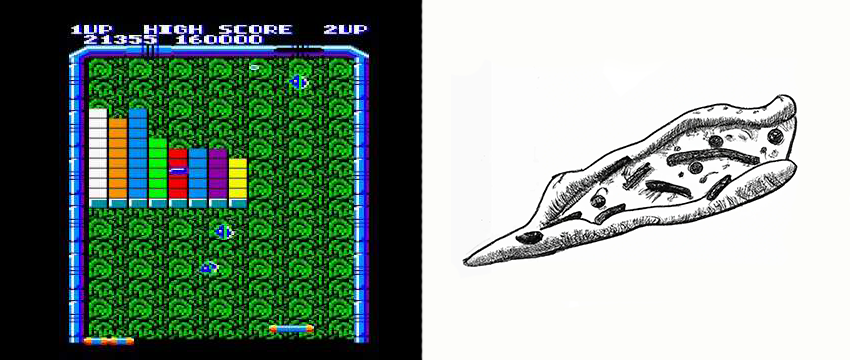
Around the same time, my older sister broke the news. "Santa doesn't exist", she said bluntly. After a traumatic ten minutes, wondering what else my parents lied about, I realised it was easier to convince someone living under the same roof to buy me a computer than someone at the North Pole. Also, someone riding a reindeer-powered sledge might be a technophobe — two reasons his nonexistence was a blessing.
The price for the version with a colour monitor was $799.00. Adjusted for inflation, it would cost $2,212.93 in today's dollars. Now I think of it, I might have been a spoiled kid.
My parents decided to buy me the Amstrad a few weekends before Christmas. They forecasted, with good reasons, that the stores would run out of stock quickly. So, on a cold Saturday afternoon, the family, including my Santa-slashing sister, went shopping for my first piece of advanced technology.
The first hypermarket had the Amstrad in stock but not the joystick. My father thought buying a computer without a joystick would render it useless. He didn't know that playing with the keyboard keys WASD would become a thing. He seemed better at forecasting stock levels than pop culture — all forgiven, dad.
The second shop had both in stock, so I became the ecstatic owner of the most advanced gaming computer in the world.
I began the exciting life of a software engineer the first time I tried Arkanoid. Running a game on an Amstrad required typing the command « run » on a console — it would be the first of many.
But my video game addiction started a few months later with the purchase of the Airwolf. The number of hours I spent on it would have made me a piano prodigy. I watched the show on television, ran upstairs, inserted the floppy disk, heard the click and the whirring noise and played with a racing heart.
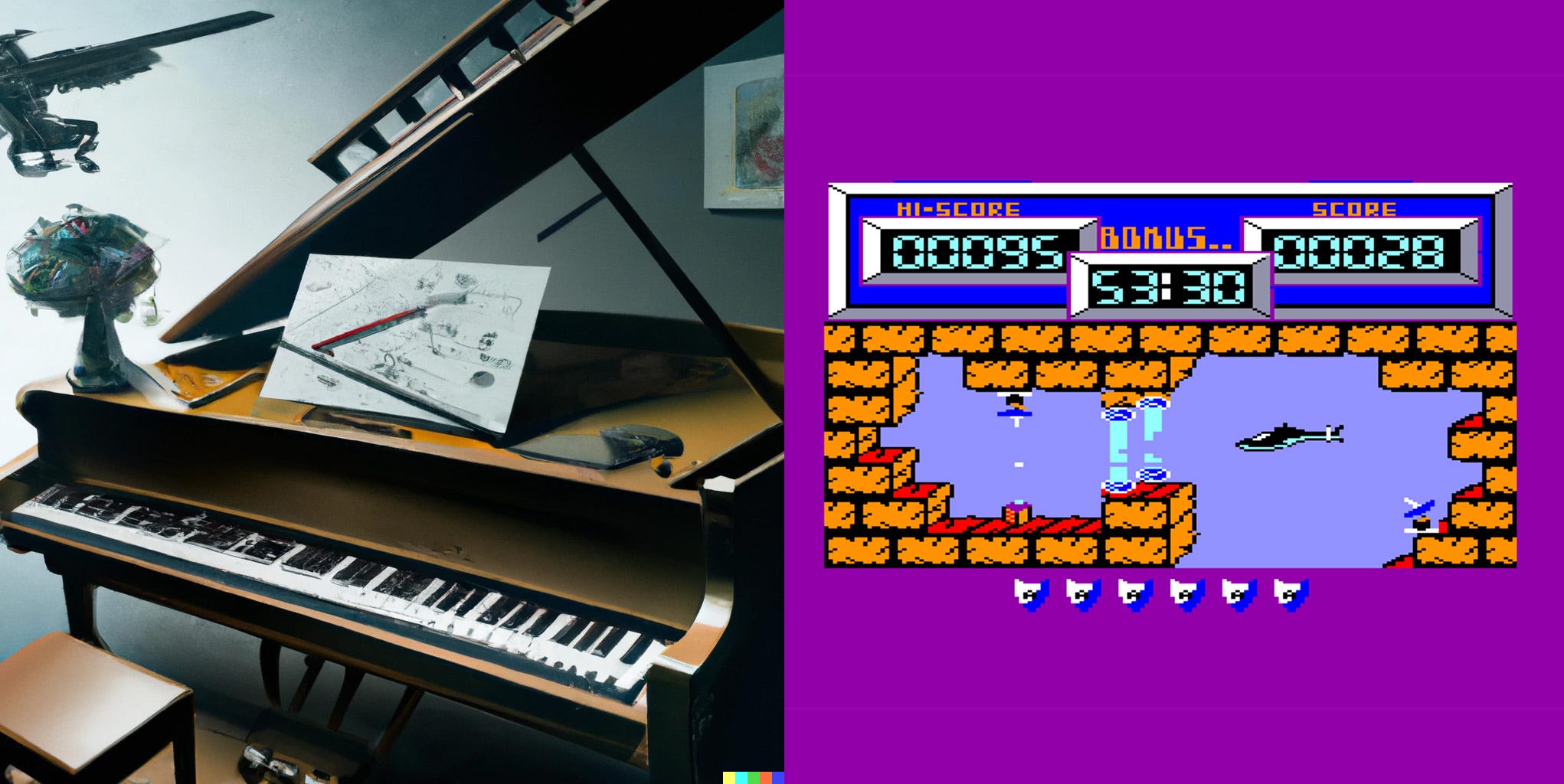
I spent the next few years playing blockbuster games such as Grand Prix, Batman, and Boulder Dash. Prince of Persia cemented my love for video games and motivated me to create them. I started reading programming books for the Amstrad.
It used the BASIC programming language, so my first programming line was PRINT “hello”, which displays hello on the screen. After a few weeks of trying different BASIC commands, my programmer's life came to a catastrophic halt. The culprits were puberty and the keyboard-less video game consoles. I played Sonic and Mario Kart for five years at friends' houses and never touched a keyboard. The Amstrad ended up in a box in the basement.
Circa 1995
Besides acne and modifying a 50cc scooter to reach a maximum speed of 100km/h, my teenage years were mundane. I had given up on video games, but I remember going to a computer café — internet cafés didn't exist — to try virtual reality.
In 1997, I started learning how to program. The internet was in its infancy, and my assignment was to create a virtual visit of our university department in HTML. My other task was to program a microprocessor to display the current data from the GPS signal.
2001
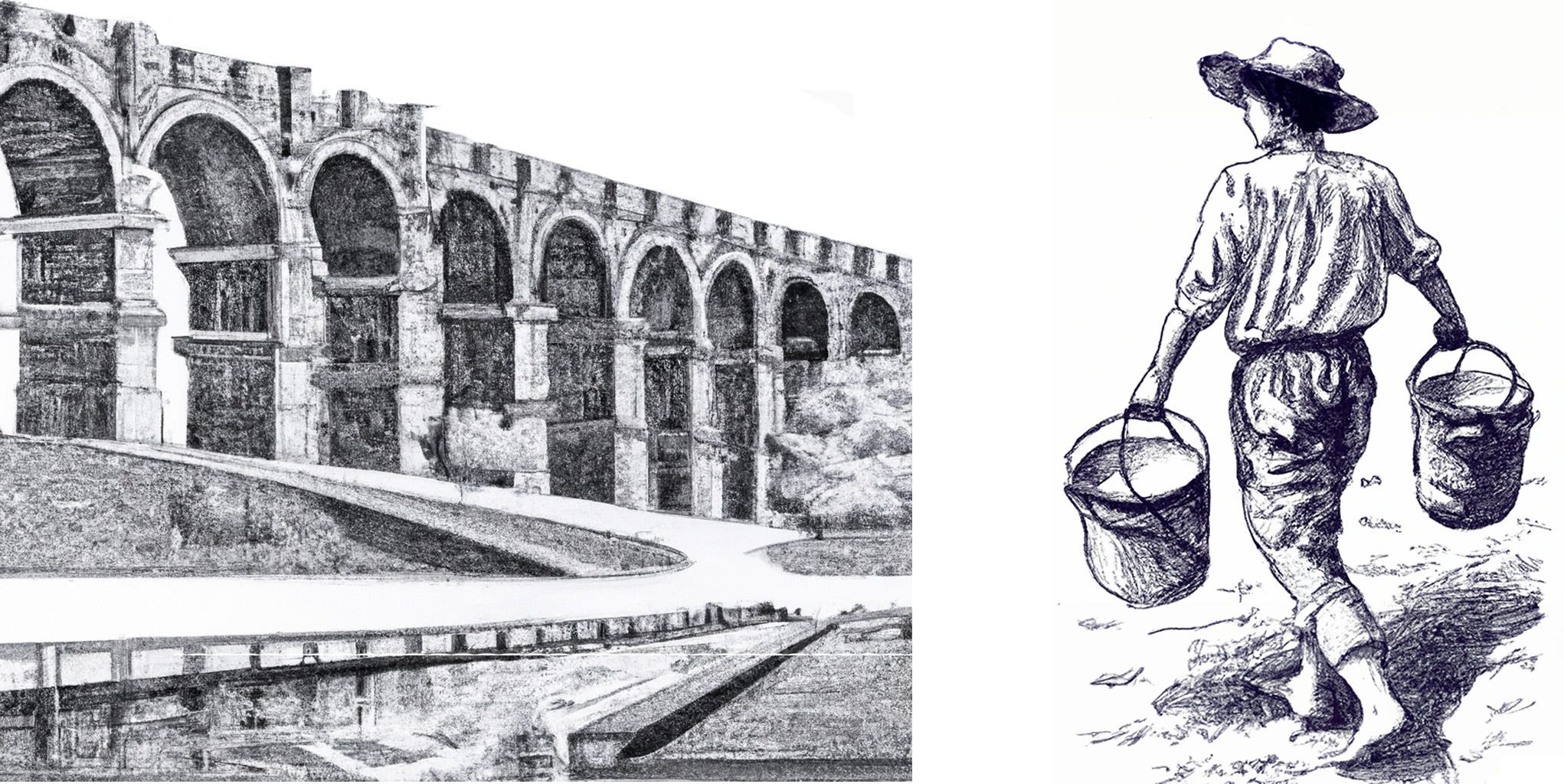
When I moved to the United States to finish my engineering degree, I started learning about entrepreneurship. The first book I read, "Rich Dad, Poor Dad" by Robert Kyosaki, taught me the concept of scalability. His rich dad earned money from an automatic income-generating system and enjoyed much free time; his poor dad earned a manual labour wage and barely had time for himself and his family. The book uses an aqueduct and a man carrying buckets of water as examples — the former being a better business. From then on, I focused on scalable startup ideas for my first venture. Unfortunately, my temporary worker's visa prohibited me from starting my own company.
2010s
I moved to Australia in December 2009. The iOS store recently accepted applications from third-party developers, and I could finally develop video games. I created a suite of educational quizzes called "Frenchie Teachie" to help my niece learn essential French words. It was for sale for $1.99 on the App store and earned around $1000 in five years. I later created other interactive quiz games about USA's and Australia's culture, which netted me about $3000 in the same timeframe. My revenue was far from a satisfying wage, but it taught me a valuable lesson about marketing. I didn't advertise my games and realised organic traffic alone couldn't provide enough users to make a living.

The other takeaway from my iOS experience was users' forgiveness and satisfaction. At one stage, I released a new version of a popular game but unfortunately, it had an issue and didn't work on some devices. Some users reported it to me a few hours after the release, and I issued a fix within minutes. But due to the 7-14 days review time of the App store, the updated version reached the affected users in more than ten days. I received a lot of negative reviews and lost a lot of revenue. I quickly realised that users' forgiveness was short-lived and fixing bugs as soon as possible was paramount. It wasn't possible on the App Store, so I decided to develop applications for the internet, where releasing updates is instant.
The users unaffected by the issues provided me with invaluable feedback, though. They wanted to use their questions to teach their students or entertain their friends and family members. That's where I had the idea of a quiz maker.
In July 2013, I wrote the first line of code. It was console.log("Hello") which displays hello on the screen — it would be the first of many.
I’m not very good with tech but I was dragged in to your story and found it very entertaining .loved the humour and wittiness Would love to read more :)